Pусский

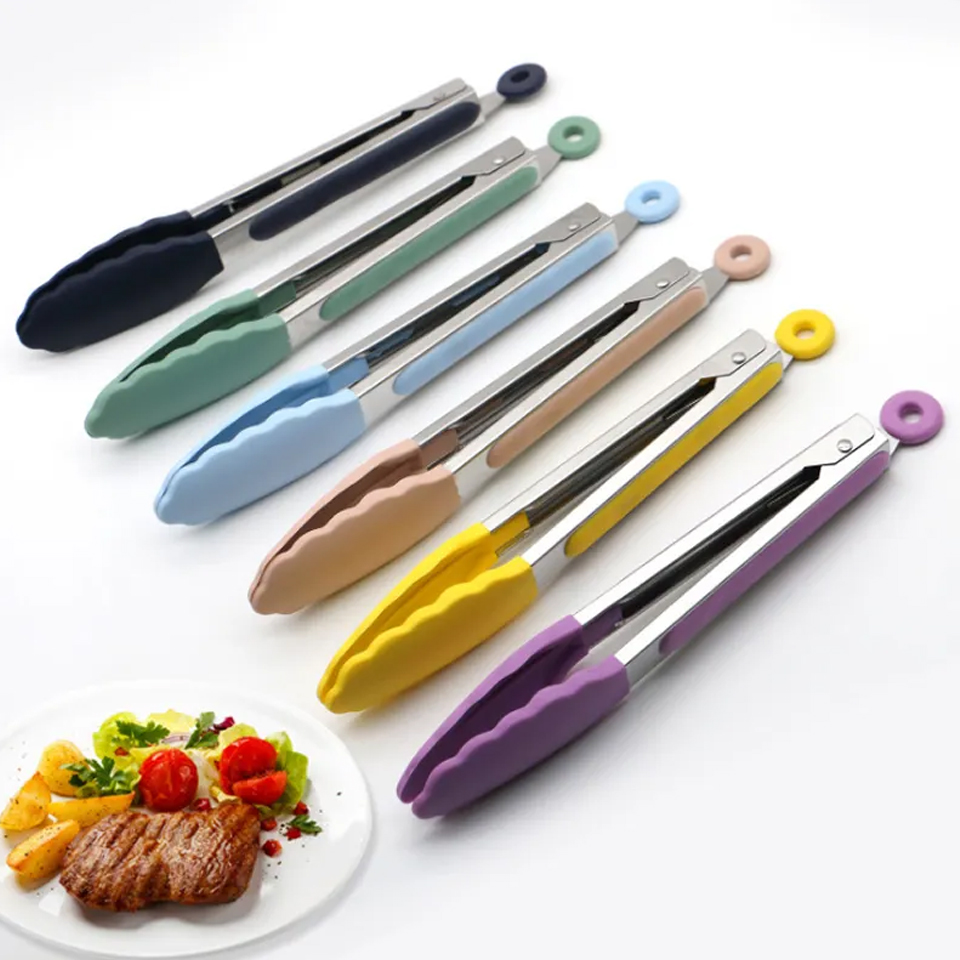
Since when, colorful silicone products have quietly appeared in kitchenware stores. Is silicone reliable? Is there any poison? Is it safe? According to Health Canada standards, silicone is a polymer primarily composed of Bonded Silcon (a natural element found in sand and rocks). Kitchenware made of high-quality silicone has become popular in recent years due to its rich colors, easy cleaning, stain resistance, wear resistance, rapid cooling, and high temperature resistance. Silicone does not react with food or produce harmful gases, and so far, no health hazards have been found. Compared with other materials of kitchen utensils, silicone has many unique advantages. Metal heat transfer can burn hands, while silicone does not. The metal is hard and easy to scratch the surface. Silicone has toughness and a soft touch. Although the wood is good, it needs to be completely dry after cleaning. Compared to silicone, it has a longer service life and is more hygienic. Silicone has stable chemical properties, is not easy to oxidize, and is not prone to deterioration. The surface of the silicone is not damaged and can be used continuously. Silicone has advantages such as anti slip, etc. Our company has various silicone kitchenware in various colors, affordable prices, and beautiful quality.

In China, people may not have much contact or deep understanding of the silicone industry and its products, but in fact, the global silicone industry has a long history of development. The invention of silicone tubing in the 18th century has confirmed the flourishing development of the silicone industry. Compared to foreign countries, the silicone industry in China started relatively late, but based on China's vast consumer market and raw material supply market, China has become the main production market for silicone worldwide. According to market tracking data released by Global Market Insights, the global organic silicone market size was 15.3 billion US dollars in 2016. In 2019, the global organic silicone market size had increased to 18.5 billion US dollars, with an annual compound growth rate of 6.5%.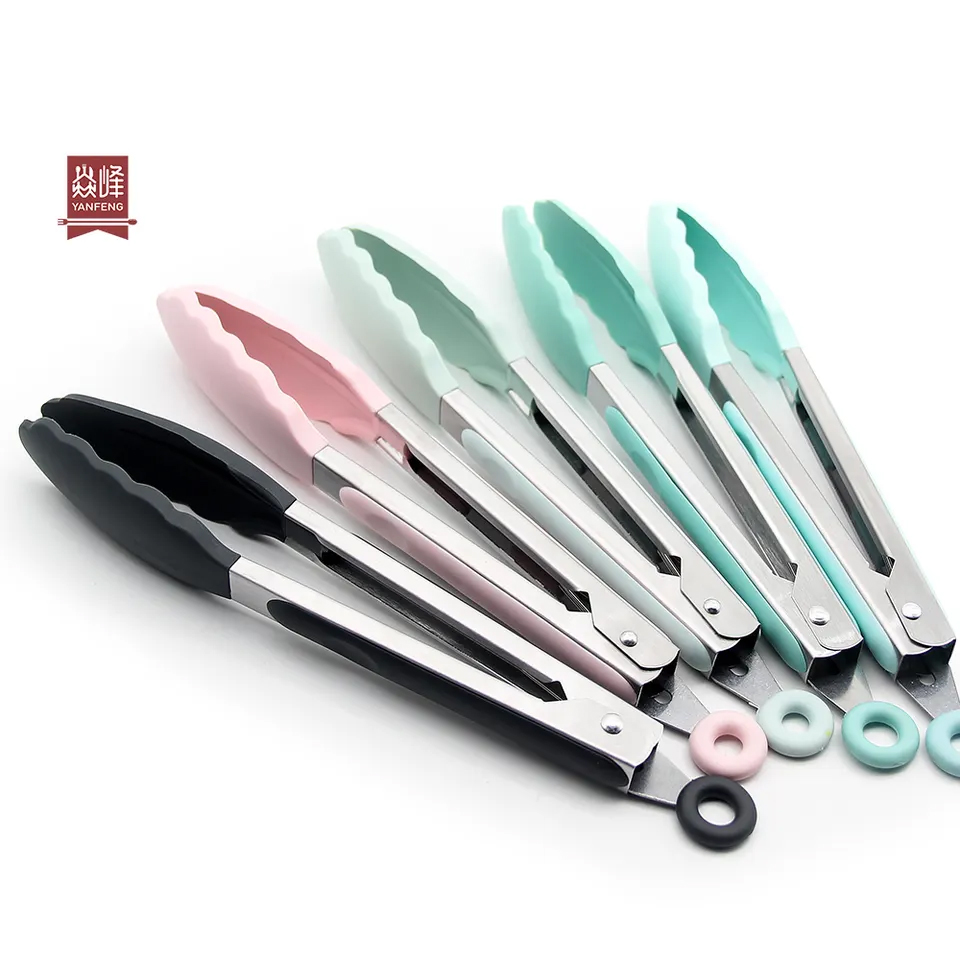
In this context, silicone products have quietly entered our daily family life. I believe many people can find that when watching short videos about food baking, many food bloggers no longer use traditional plastic, wood, or metal products such as baking scrapers and oil brushes, but instead use silicone kitchenware. There are demand groups, which naturally lead to businesses and brands that focus on production.
Why do food bloggers and brands abandon traditional material products in the selection of kitchen utensils and choose silicone kitchen utensils? There are no more than the following three points.
1. Originating from nature, the material is environmentally friendly
In order to be lightweight and affordable, many kitchen utensils have plastic shapes to some extent. However, the white pollution caused by plastics has caused serious harm to water quality, soil, resources, and the environment. With the continuous reform of the ecological civilization system, green development has become a social consensus. Silicone is a green and environmentally friendly material, mainly composed of silica, which is commonly found in nature and does not cause harm or burden to the natural environment and human body.
2. Material characteristics, health protection
Consumers who have used plastic kitchenware should know that most plastic products may be able to hold boiling water, but they are never confident in being used for frying. Even high-quality plastics have a maximum temperature resistance of around 120 ℃, while frying temperatures can generally reach around 200 ℃.
And silicone gel is flexible and has a strong advantage in thermal stability (temperature resistance range -40 ℃~230 ℃), even after high-temperature open flame baking and combustion, the decomposed substances are non-toxic and odorless white smoke and white dust. This characteristic makes silicone much safer and more stable than even food grade plastic materials, making it more reassuring in kitchen appliance applications.
3. Antibacterial and mold inhibiting, easy to clean
In addition to plastic, metal and wood products are also common traditional kitchen utensils materials. However, due to the high thermal conductivity of metals, it is easy to cause burns, while the fatal pain point of wooden products is that they are prone to mold growth after prolonged immersion, exposure to humid environments, or seasonal influences, which poses a significant safety hazard to the body.
Silicone, on the other hand, benefits from its macromolecular microporous structure and is insoluble in water or any solvent. It is a highly active adsorption material and is often used as an adsorbent or desiccant in practical applications. Therefore, after using silicone kitchenware, the liquid cannot be dissolved and can be immediately dried, making it less prone to mold growth. In cooking environments with high oil, salt, and vinegar, it is not easily corroded by oil, salt, and vinegar.